We asked our graduating creative writers about their influences and inspirations, and how those may have grown over the course of the two-year MFA degree.
I’ve always believed in taking influence and inspiration where you find it. That’s changed over the course of the last two years, as I’ve grown as a writer and re-writer, but ultimately, I try to find something usable for my fiction in anything I see, in everything I see. Since I don’t really believe in distinctions between high art and low art or literary art and non-literary art, I’ve taken influence from fantasy authors—Patrick Rothfuss is a favorite—as much as I’ve taken influence from the short story masters.
There are specific authors that have helped me grow as a short story writer. George Saunders, both his short stories and his essays on writing itself, has been both inspiring and influential for me. I appreciate how he operates from multiple viewpoints and how he can withhold big craft moves till the right time. His writing on writing is clear and so helpful, even if he makes it all sound easy. I would be remiss if I didn’t mention Denis Johnson, as he always makes me want to write. Stuart Dybeck and Charles Baxter were both big for me—the ways they told stories that I wanted to read, wanted to write.
As for inspiration, I look for stories in everything. I don’t care if it comes from a sci-fi movie, a Russian short-story, or a second-rate detective show on cable, if I see something that inspires a story, I’ll start thinking about it, writing it in my head. If I think it shows promise, I’ll start writing it down. This could come from anything—a single line of dialogue that clicks, a side-character that inspires a whole narrative in my head, or even just a specific cinematic shot or device used. Since stories are everywhere and since craft is the whole business of refining stories into something great, I think it’s totally valid to take inspiration or influence from anywhere and everywhere. This is also true, perhaps to a lesser extent, with poetry. I read a lot of poetry and I write a fair bit too, but it rarely directly inspires a story or influences my craft. Poetry is important for my process, but it is more of an empathetic learning. There is so much specific emotion in poetry that I find it helps me better understand the characters I am building or hope to build.
Now, I still look for inspiration anywhere—I think that’s just how I see the world. Maybe it’s how all writers see the world. After this MFA program, though, I look for short stories that tell the types of stories I want to tell. Before, I felt I was scrambling around looking for anything that would stick, and now I recognize that there won’t be just one thing that sticks. I have to follow my interests, wherever they take me, and then work to write those interests onto the page.
After this program, I feel more capable of finding the kinds of stories and kinds of authors who will best help the work that I want to do. Part of this, I think, is having so much time to write and explore my craft—I had the time (and the deadlines) to listen to what my process was telling me, what my stories were telling me. Coupled with my professors’ and cohorts’ insights, I grew in understanding what I gravitated towards. This, in turn, helped, and still helps, to direct my reading. This all makes me a more well-rounded author, capable of writing the stories I want to write and crafting them into the best draft they can be.
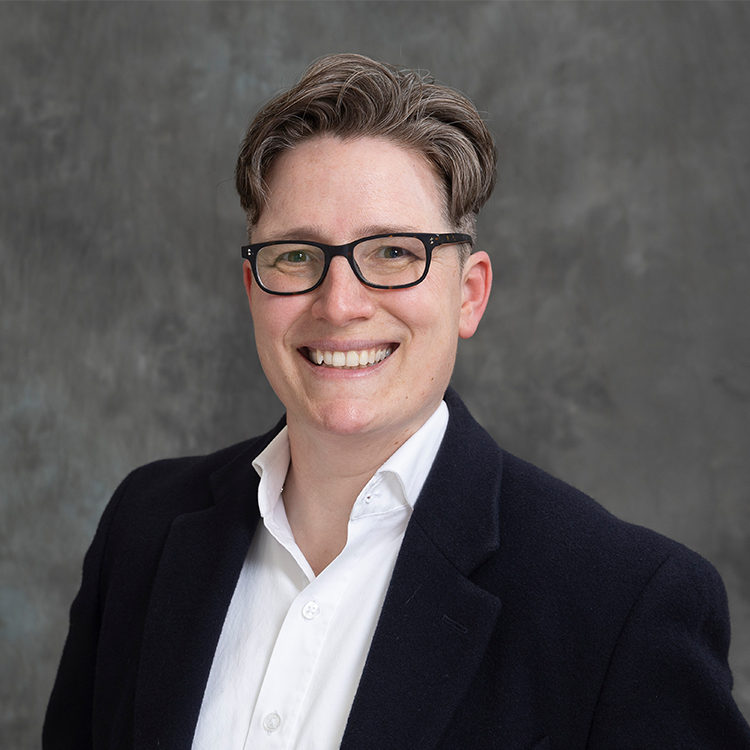
Joe Dunne is a short fiction writer and instructor at University of North Carolina Greensboro, where he completed his MFA in Creative Writing. He writes about addiction, technology, labor, and family crises. Originally from Chicagoland, Joe attended Indiana University where he studied English Literature, History, and Philosophy. He lives in Greensboro with his cat.